
Rafael Loureiro talks The Superboy Experience
The incredible artist on my recent Superboy story reveals his road to Metropolis...

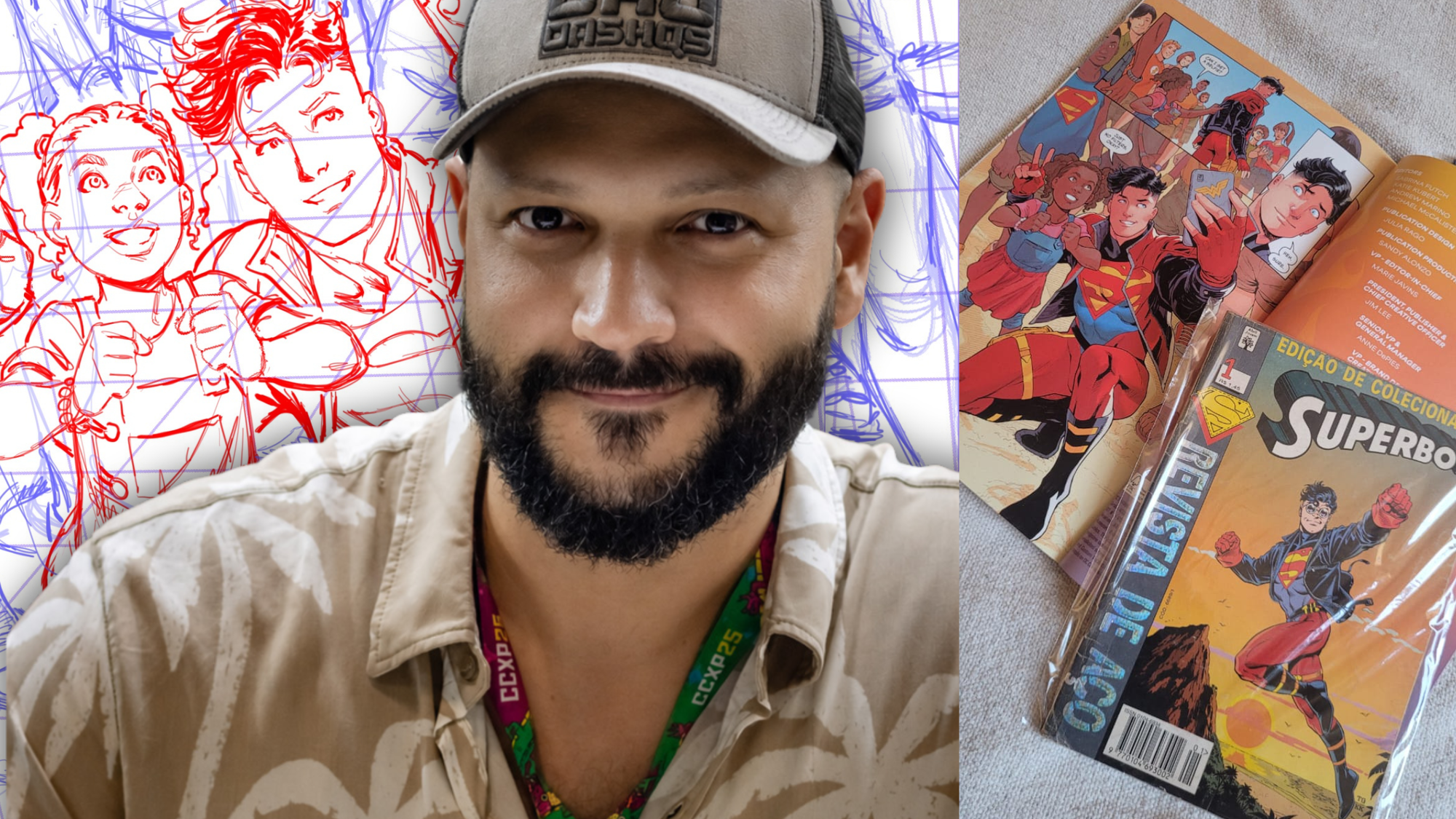
Recently, I caught up with Rafael Loureiro, the amazing Brazilian artist who I collaborated with on The Superboy Experience, our story in DC's Hawk-Girl Summer.
Here's what he had to say about drawing comics, breaking into the industry and his love for Conner Kent, complete with exclusive behind-the-scenes glimpses of how he brought the story to life.
You lucky ducks!
Enjoy!
Rafael, hi! The Superboy Experience is your first DC assignment. Can you remember where you were when you found out you got the gig, and what your initial reaction was?
Well, I was actually at a coffee shop with a friend, and was really quite shocked, because it was totally unexpected. Towards the end of last year, I sent a lot of emails to editors trying to secure some gigs for 2026, but never got any responses. Then, in March, I heard from Michael McCalister at DC offering the story, and I immediately said yes!
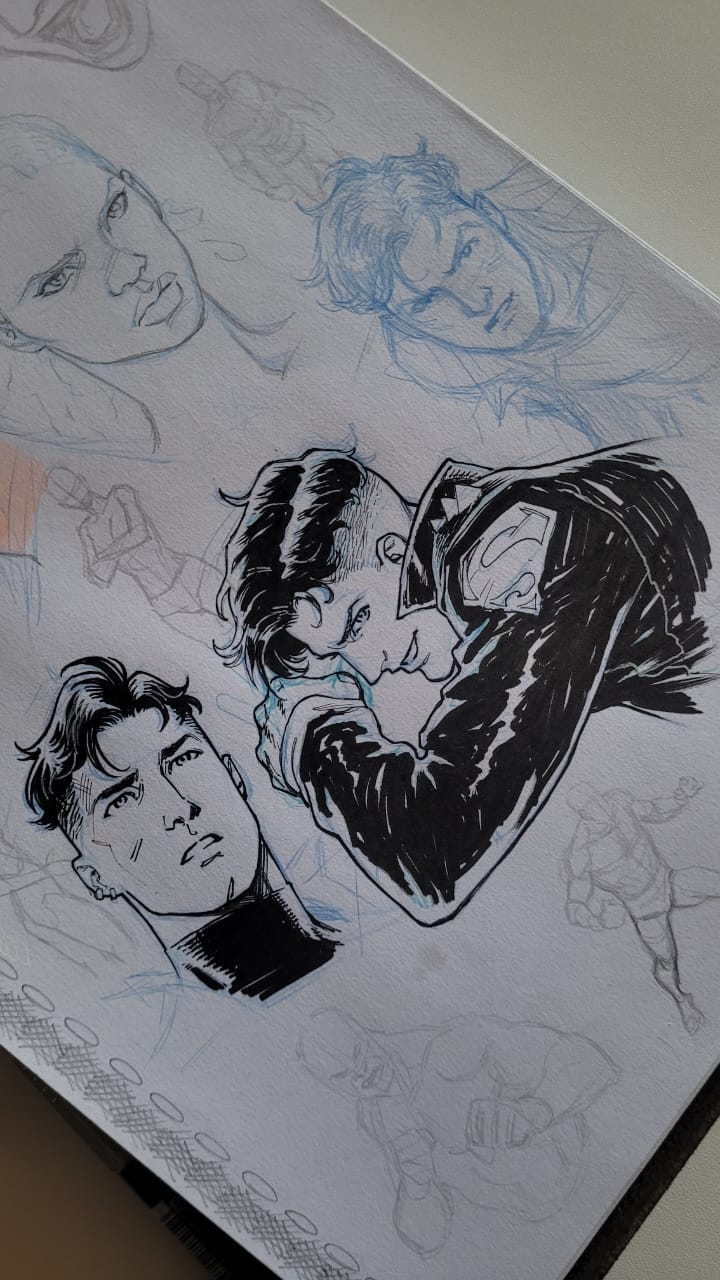
What has Superman or Superboy meant to you over the years, and what did it feel like to become part of that legacy?
To me, Superman's biggest superpower is the Kents. That's the whole miracle there, right? A semi-god falls from the sky, and these folks raise him with enough love and sense of responsibility that he doesn't go crazy with power or turn evil when things don't go his way. He just tries harder until he saves the day, or has to accept that even with all his amazing powers, some things are out of reach.
And that's when Conner comes in for me. Even though he's a clone, he also carries the shield and, therefore, the legacy of Superman. He's a modern teen with teenage angst, yet he still tries his best because he understands what the symbol in his chest means.
As a teenager myself, I took to Conner right away, because he was just a dumb kid with a big ego, but meant well. And now, as a professional artist, having him be my gateway story into the Superman legacy just feels so special and emotional. Like meeting an old friend all over again.
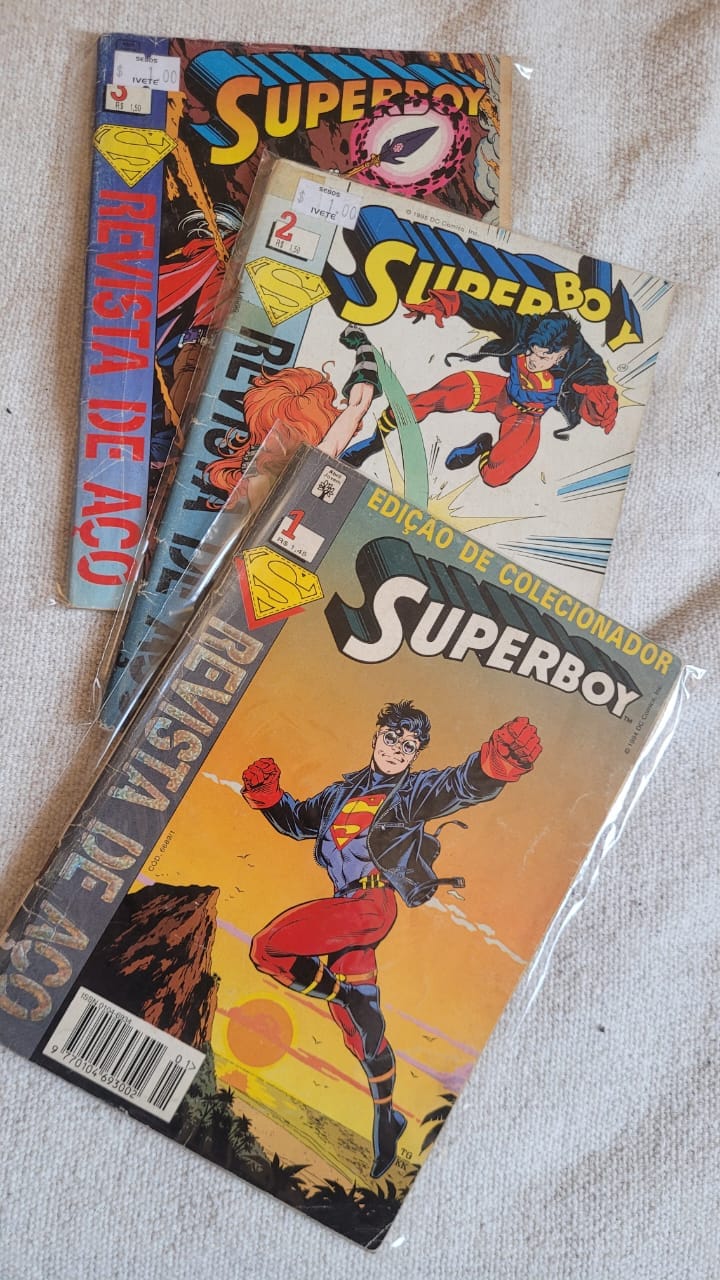
I spent hours and hours drawing with those Dan Jurgens and Tom Grummett books from the 90s by my side. I love my job, but it's gruelling at times, and after a while, you can forget why you do it (other than the money). Stories like this make me remember why I keep choosing comics as my path every day.
Bottom line, for me, Superman means hope.
Let's dig into your secret origin. How did you first get started in comics?
I actually have a bachelor's degree in Architecture because, at 18, it was the closest I could imagine to drawing for a living. You have to understand this was Brazil in the mid-2000s, and I lived in the countryside. Drawing comics – or even being an illustrator – just didn't seem possible. I thought they were things done by special people in a city in the sky or something!
But while I was in college, YouTube was growing and, thanks to the tutorials I saw, I realised that real people like me were making a living from it. After finishing my studies, I got a job as an assistant at a small advertising company. It was the best thing that could've happened to me, because it gave me a glimpse of what it really meant to be a commercial artist. From there, I moved to a bigger advertising agency in the city, where I stayed for a couple of years. But advertising burns you out, so eventually I moved back in with my parents, spending all my free time studying drawing, colouring, and inking. Anything that could give me an edge.
By then, I had heard of the Quanta Academia de Artes school in São Paulo, founded by Marcelo Campos, one of the first Brazilian artists to work in the North American comic book market. I took a class there every weekend for a whole year, taking an overnight bus to get there, and another to come back home at the end of the day. It was the best experience I could've possibly had. I found my people, and my place.
At the end of the year, a teacher there referred me to a client he couldn't take on due to scheduling constraints. That became my first comic book gig: a 28-page book in which I pencilled, inked, and coloured every page. I did it in two months, I think, and never felt so alive! The book was never published, but those pages served two purposes: I now had a full comic book under my portfolio, and the confidence that I could really do this for real. So I posted my portfolio on every corner of the internet that I could find: forums, DeviantArt, Facebook Groups, and message boards. Slowly but surely, small jobs started coming my way, then bigger and bigger ones. That's what the last ten years have been all about: chasing the next job and trying to enjoy the ride while doing it.
What were the biggest lessons you learned before landing the Superboy gig?
For those first ten years, I worked with a lot of indies on a lot of books that not many people saw. But I am very thankful to all those publishers who trusted me and gave me the opportunity to work on their books. I met a lot of amazing people along the way, with whom I talk to and do commissions to this very day. But I always did those jobs as if I were working for the "Big Two". That was the standard I measured myself against.
So when it actually happened for me – not just DC, but Marvel a couple of years before – the technical side was already nailed down. Read the script and help bring it to life as best I can. Then rinse and repeat. So I guess the biggest lesson was: Don't do a half job, bring your A-game! You never know where those pages might end up or who might see them. But wherever they end up, that's your name and your business card. You're not gonna be there to explain or defend your work; the work has to speak for itself.
That applies to all areas of life.
Was there a point when you nearly threw in the towel or thought a career in comics might not happen?
If I stop to think about it, I kinda willed my career into existence by sheer stubbornness. Once I found out that this gig was actually possible for a guy like me – and that other Brazilians had been doing this for years – my mindset was: "hey, if they can do it, I can do too!"
Of course, I was lucky to find many patient and good people to help me along the way, but I never really let myself doubt that I'd have a career. At some point after the pandemic, I lost two good clients who worked for some of the tech giants. They got the axe, and all of a sudden, it felt like my career might not be as long as I hoped. That kinda broke me for a few weeks, but Marvel called the very same month!
Of course, even after working for both Marvel and now DC I still find myself asking what a successful career in comics even looks like. Will I still be doing this when I'm 60? I don't know. It's impossible to predict how things will be in this industry in two or five years. It's pretty easy to spiral into anxiety, with the spectre of AI staring at every creator down the road. So my motto these days is "try to make the most of it while you can." This ride may last five, ten, or twenty years, but however long it lasts and whenever it ends, make sure it was worth it and that you had a good time.
That said, I still freak out more often than not. It's a work in progress!
Okay, let's talk process. When a script arrives, what's the first thing you do?
Well, usually I freak out a little!
Then, I breathe a sigh of relief from knowing that I get to pay the bills, eat and fight another day.
Then I get to work. I read the script a couple of times, grab a sheet of cheap printer paper, and start doodling nonsense. I call it "the vomit stage". I try to put out every visual idea I have on how to make that story flow. It's really a lot of nonsense; if you were to look at it, it would probably seem like the scribbles of a madman!
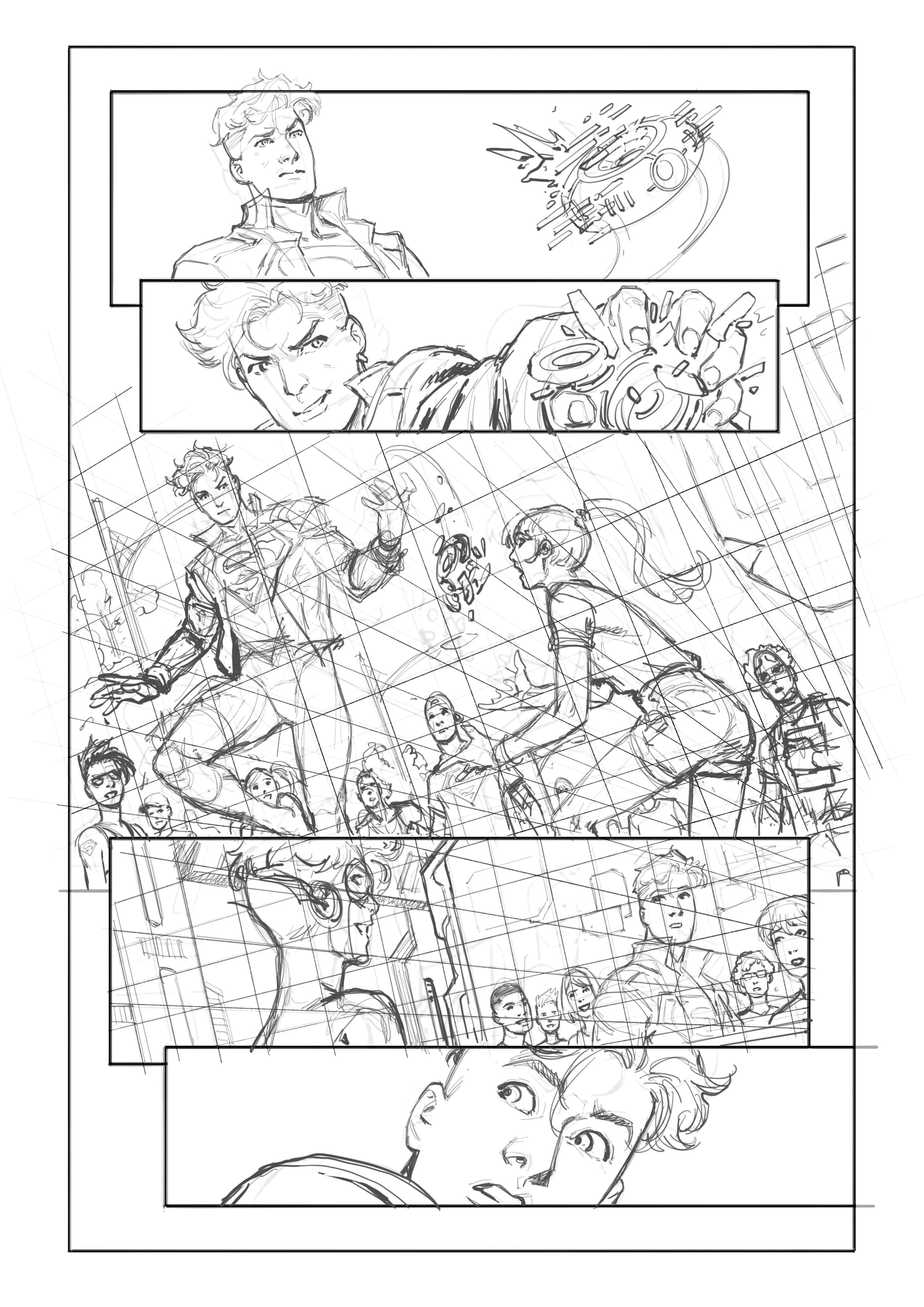
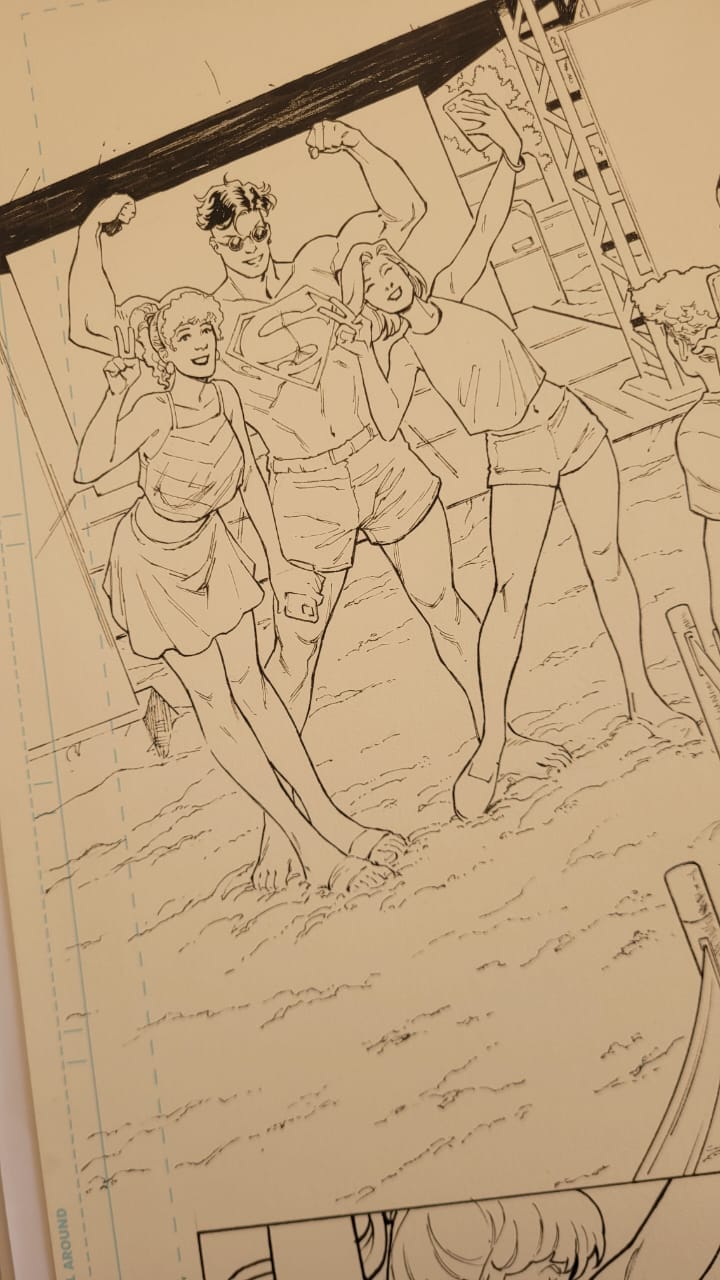
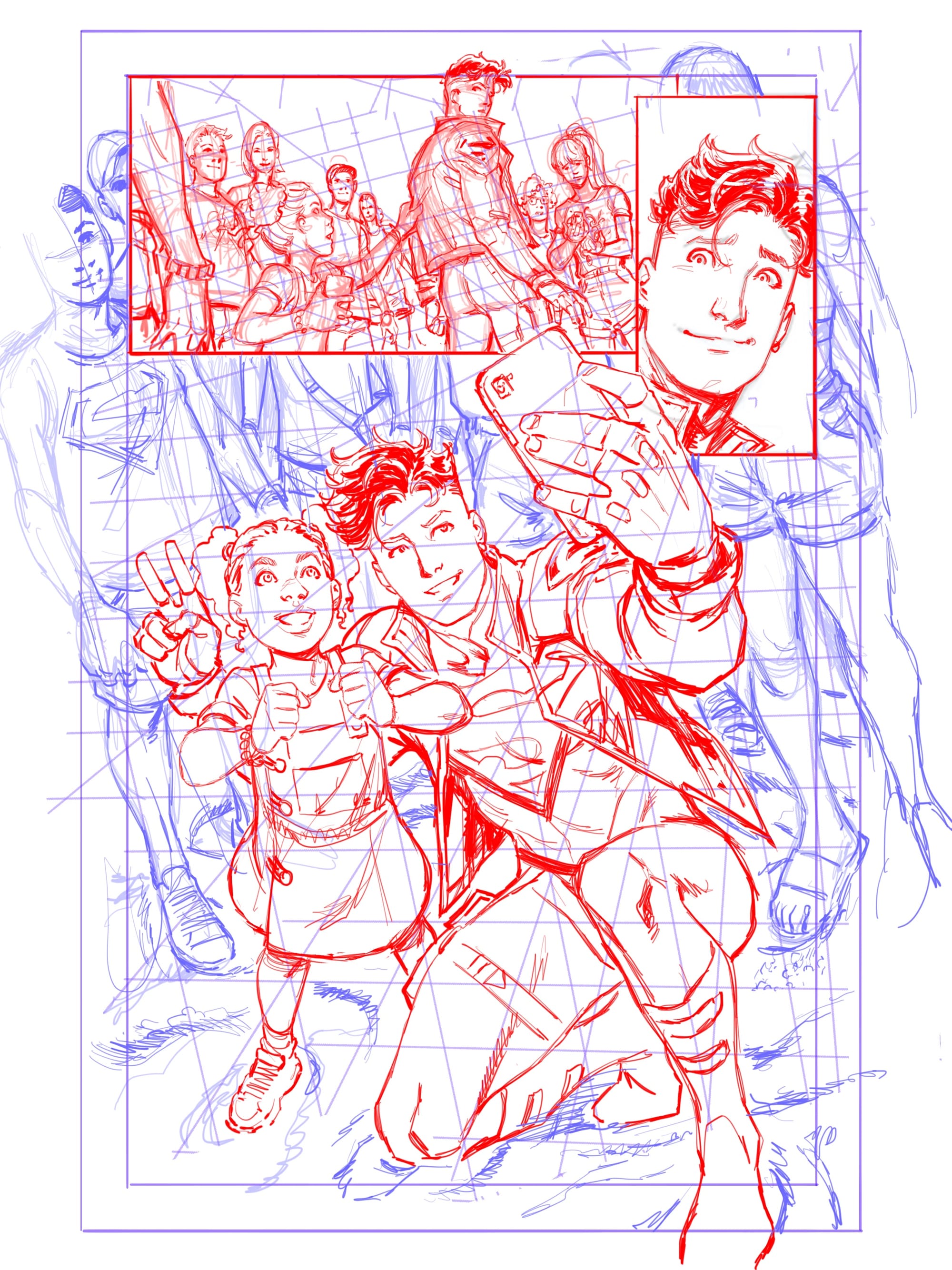
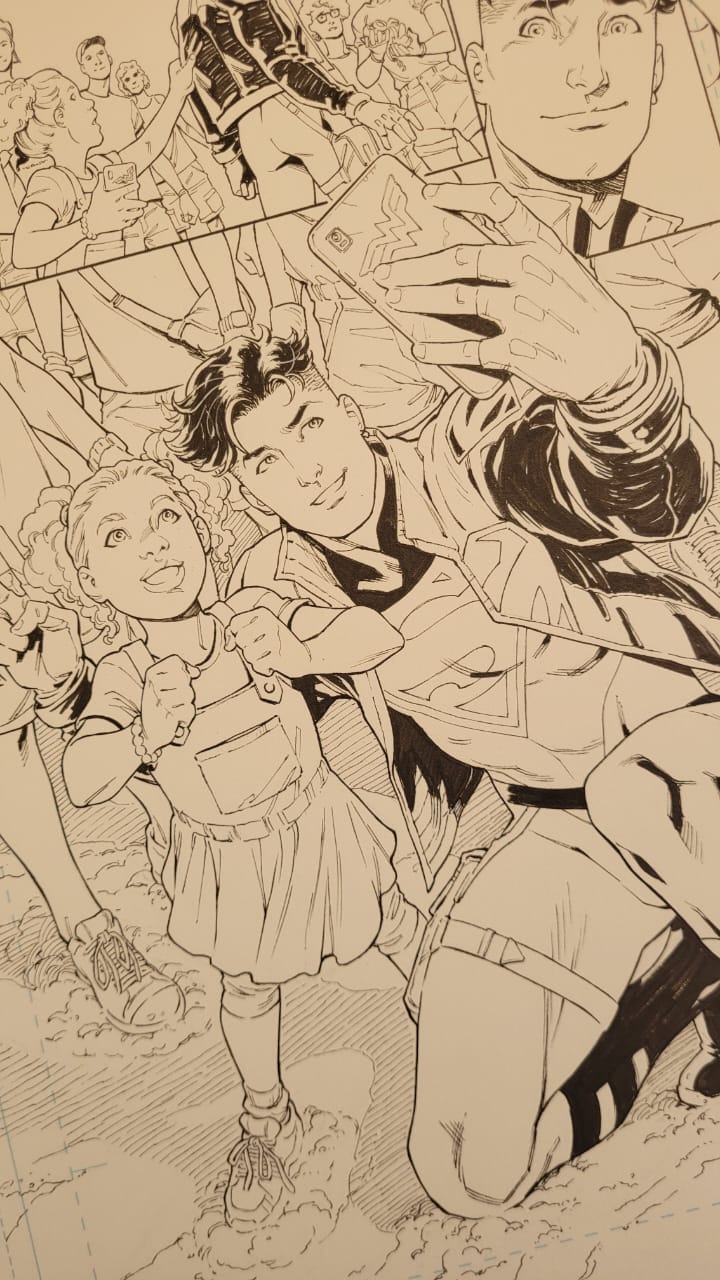
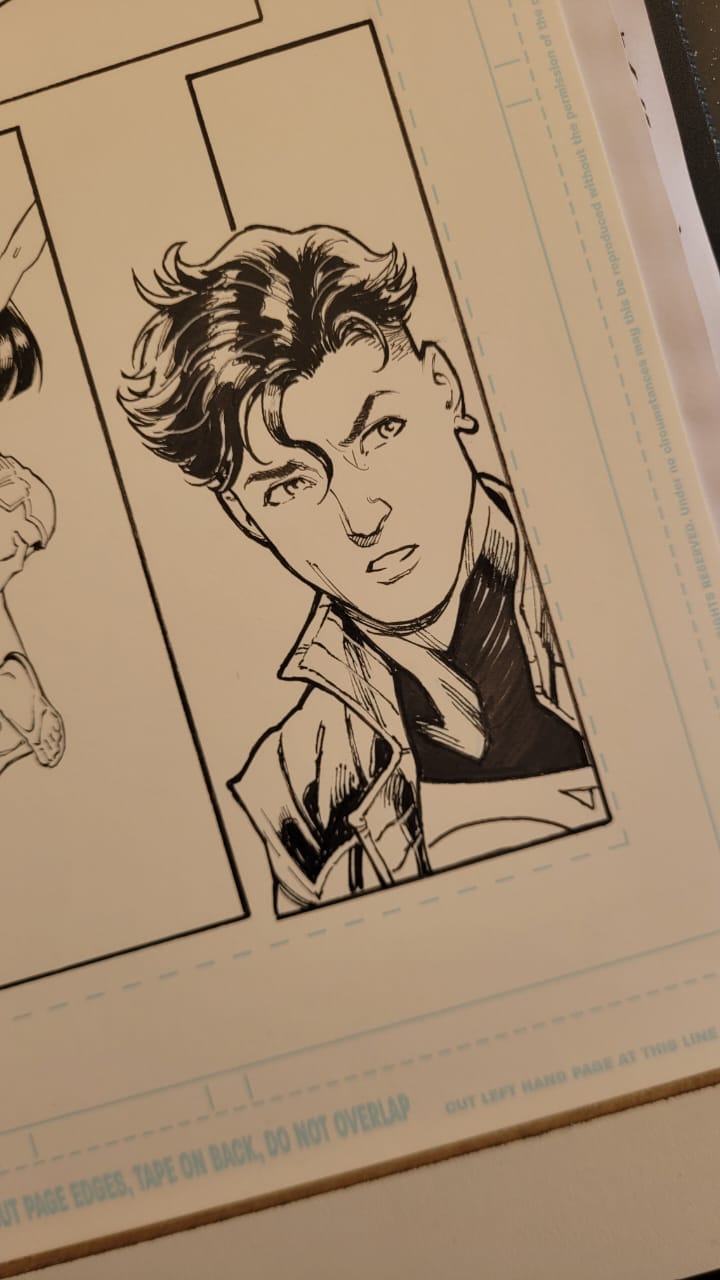
I try to do that for the whole book, and after that's done, it's clean-up time! I grab a mental mop and start applying some reason to chaos. If luck is on my side, I end up with a decent sheet of page layouts to send to the editor. After some praying to the art deities, I hear back from the editor who sends notes or gives the go-ahead. From that point on, the real mental part of the job is already done, and it's all down to elbow grease, working away on the pencils and inks until that sweet moment when you send in the last page.
What makes a page work well from an artist's perspective?
Pages work well when the artist and writer aren't fighting each other, or trying to overshadow or be louder than the other. When a writer knows how to give the artist enough information to get him to the finish line, but not so much that it overwhelms him in a micro-managing way that ties up the artist's creativity. When a writer and an artist are a team and know each other's strengths, it's pretty hard not to end up with a page that works well.
Having completed your first DC story, what's the biggest thing you've learned from the experience?
Can I say two things? The first one is: dude, never underestimate your dreams. I'm a healthy realist. I knew it was possible to eventually get to do some work for DC, especially after having done a handful of good books for Marvel, but I thought my first gig would be a story like "Krypto catches Coconut-Helmet Man and saves the day" – and that would have been totally fine! But having my first story be the Superboy I grew up drawing infinite times in my bedroom, it's powerful stuff, man! So yeah, never ever underestimate the power of your dreams.
And the second very important one: respect the characters and the work you're doing. Because these are generational legacy characters. People like me, all around the globe, grew up with them and love them like I do. It's important to treat them with respect and do the best work I can. My thinking when working on these books is always:"If I weren't working on this, would I buy it? Would I like it? Would it be worth my money?" And then I draw a book that makes me say, "hell yeah!"
If DC handed you the keys to any character tomorrow, who would you choose and why?
I may be biased, because he's near and dear to my heart, but I think it would be Conner! As a fan, I think he deserves his proper place under the spotlight again (and I know many fans feel the same way). I love what they did for Superboy Prime recently, giving him a redeeming arc and building a supporting cast around him, and I think Conner deserves the same treatment. To let him grow beyond the Super-Family would be cool, have his own supporting cast and character development arc.
But Nightwing wouldn't be bad either, I know the fanbase is fierce, but I'd like to draw a "day in the life" issue for Dick and Barbara, some nice and sweet moments between them, where they try to have a normal day cooking and chilling at home – and at every turn, shit goes sideways!
Beyond the Boy of Steel, what's next for you?
Well, I guess it's not a secret, because it was already announced, but I'm drawing a Nova one-shot for Marvel. I have some really cool indie work to wrap up, too. And then I'll be praying for more work to come my way, because Daddy needs financial safety in his future! Jokes aside, I still have some commissions to clear from the backlog, and with some luck, I might be able to take a couple of weeks to rest on a beach somewhere. Fingers crossed!
Thanks, Rafael. Here's hoping we get chance to work together again soon!
Me too!
Wow, there's a lot to take in there. Hearing Rafael's journey, it's hard not to admire the determination that got him from overnight bus rides in São Paulo to drawing Superboy for DC.
Two things stand out as perfect lessons for anyone looking to build a sustainable creative career.
- "Don't do a half job, bring your A-game! You never know where those pages might end up or who might see them. But wherever they end up, that's your name and your business card."
- When on a project, ask yourself: "If I weren't working on this, would I like it? Would it be worth my money?" Then make sure you deliver a job that makes you answer: "Hell, yeah!"
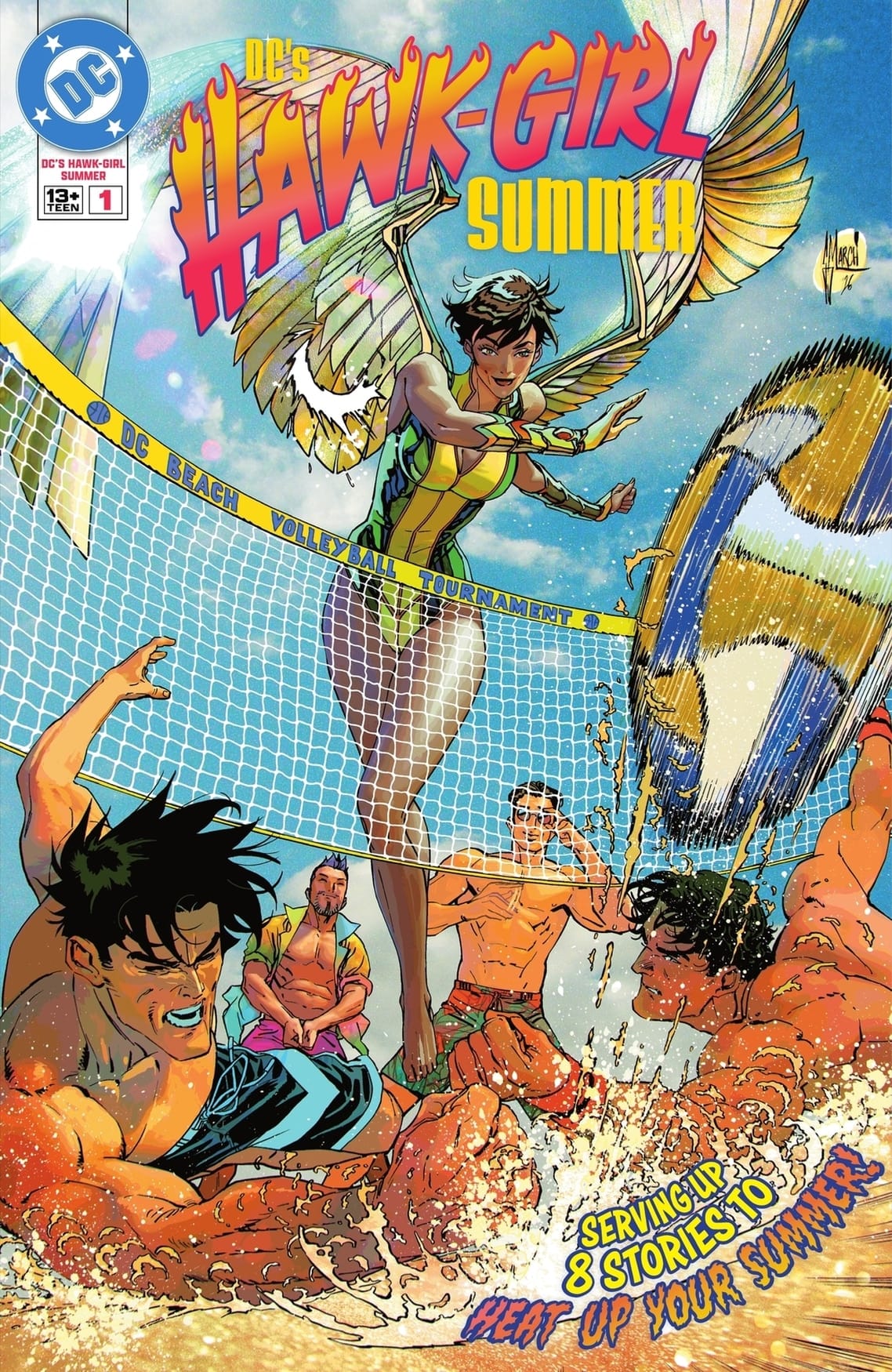
The Superboy Experience, with script by me, art by Rafael Loureiro, colours by Alex Guimarães and letters by Josh Reed, is available now in DC'S Hawk-Girl Summer.
Until next time, look after yourself and each other


WHAT I'M WORKING ON
Thanks to pesky NDAs, I can’t reveal many details about what I’m writing at the moment, so I’ve come up with a sneaky list of project names. Keep an eye on future editions. I'll update everything as the work progresses!
Project: Avarice
- A novelisation for a fantasy franchise, currently in copy edits.
Project: Passer
- A graphic novel of a top romantasy novel. The outline has been given the greenlight, so I’m currently scripting.
Project: Soldier
- A newly commissioned fantasy novel, currently in outlining mode.
ELVTR Comic Writing Course
- A 13-part online course for the APAC territories.
Konflikt ‘47
- Working with Warlord Game on the lore and creative direction for the weird World War II tabletop game.
Masters of the Universe: Origins
- A three-issue arc chronicling the early career of Man-At-Arms.
COMING SOON
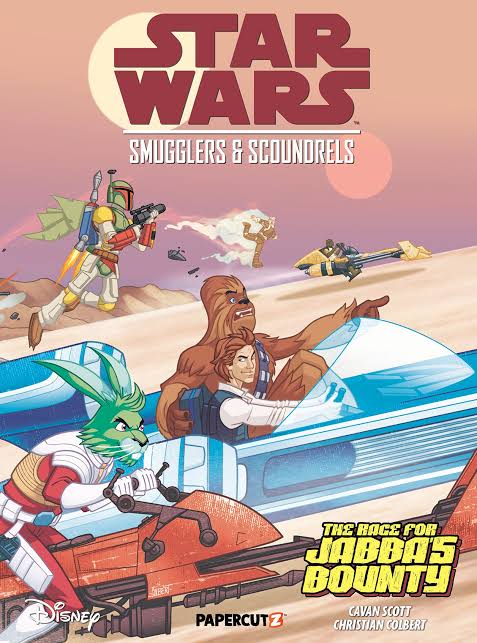
Star Wars: Scoundrels and Smugglers - Race for Jabba’s Bounty
An all-age graphic novel starring Han Solo, Chewbacca, Jaxxon and a host of scum and villainy. On sale 6th October.
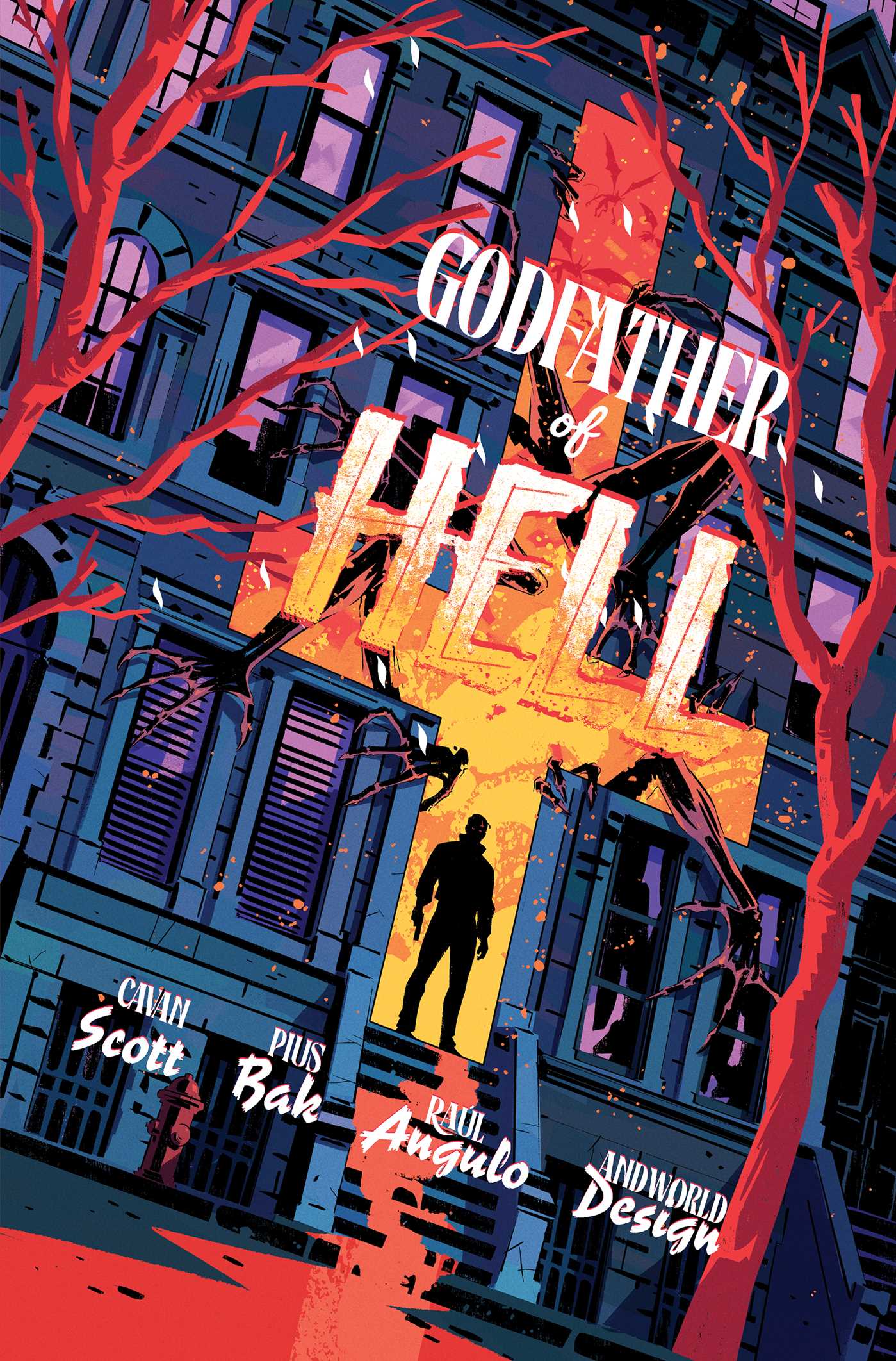
Godfather of Hell
My new creator-owned graphic novel for mature readers. Think Goodfellas meets The Exorcist. On sale 27th October.