
Authors beware of AI scams
Why that “perfect opportunity” in your inbox probably isn’t real

The other day, I received an email offering me an amazing opportunity…
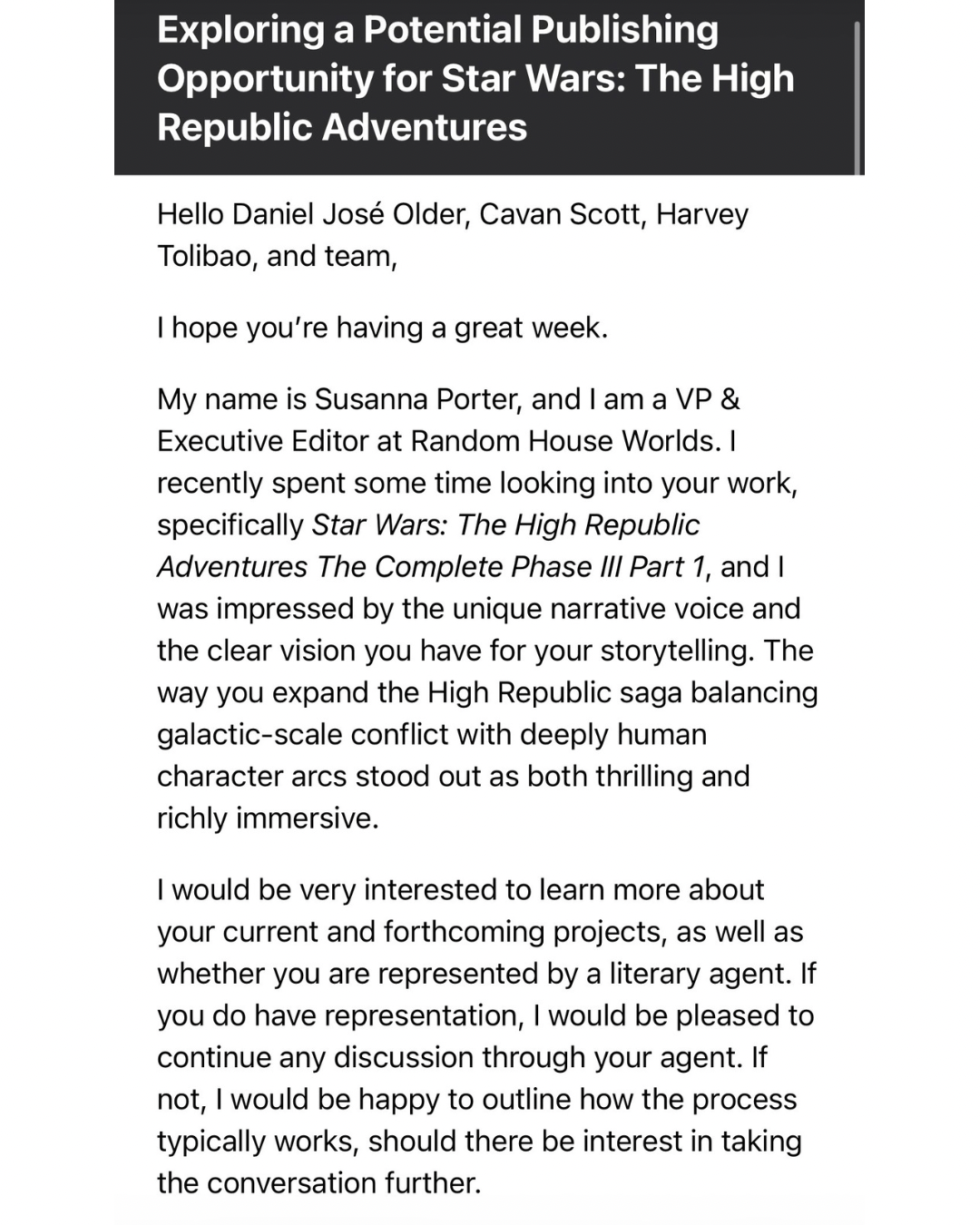
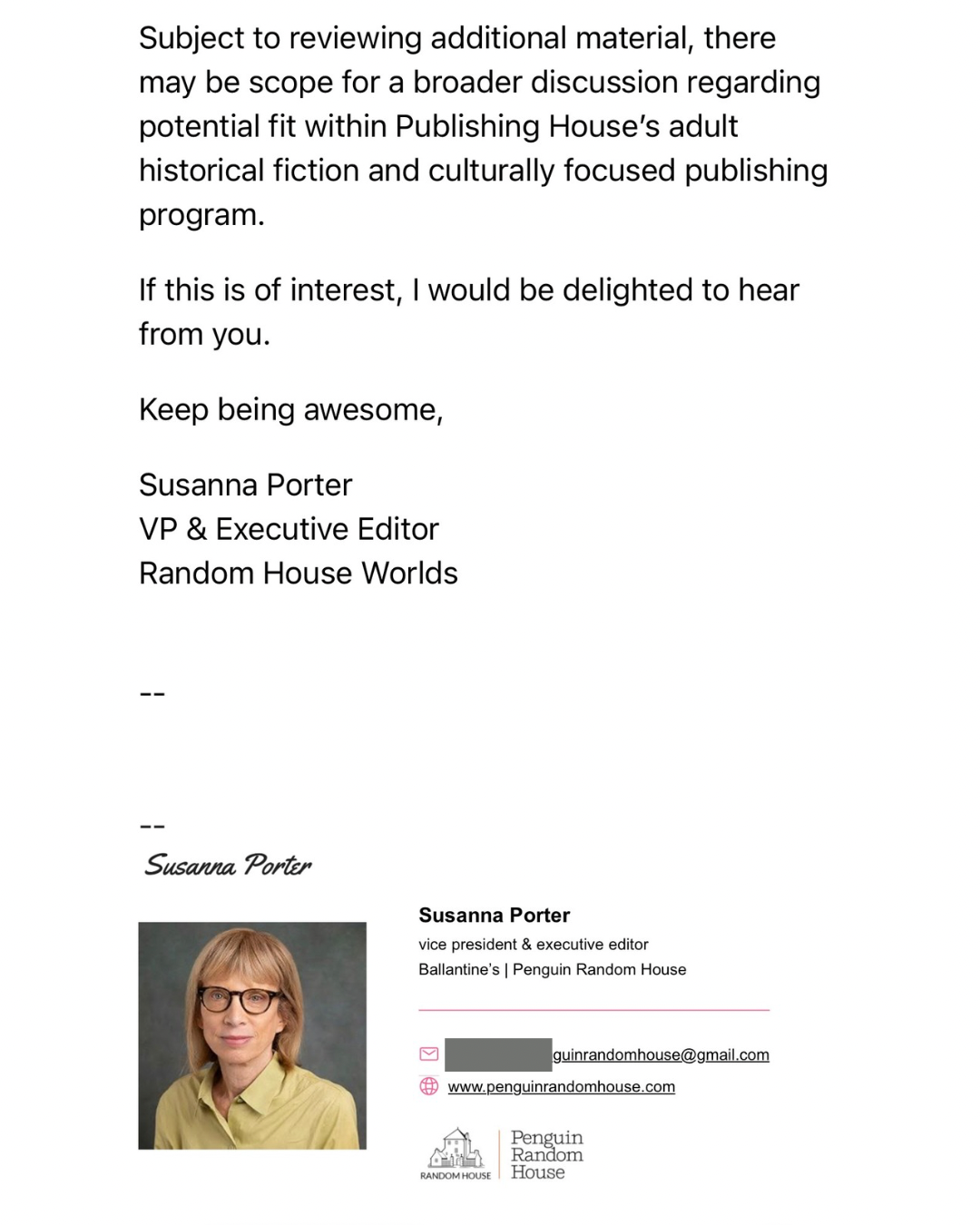
There was only one problem.
It’s a scam.
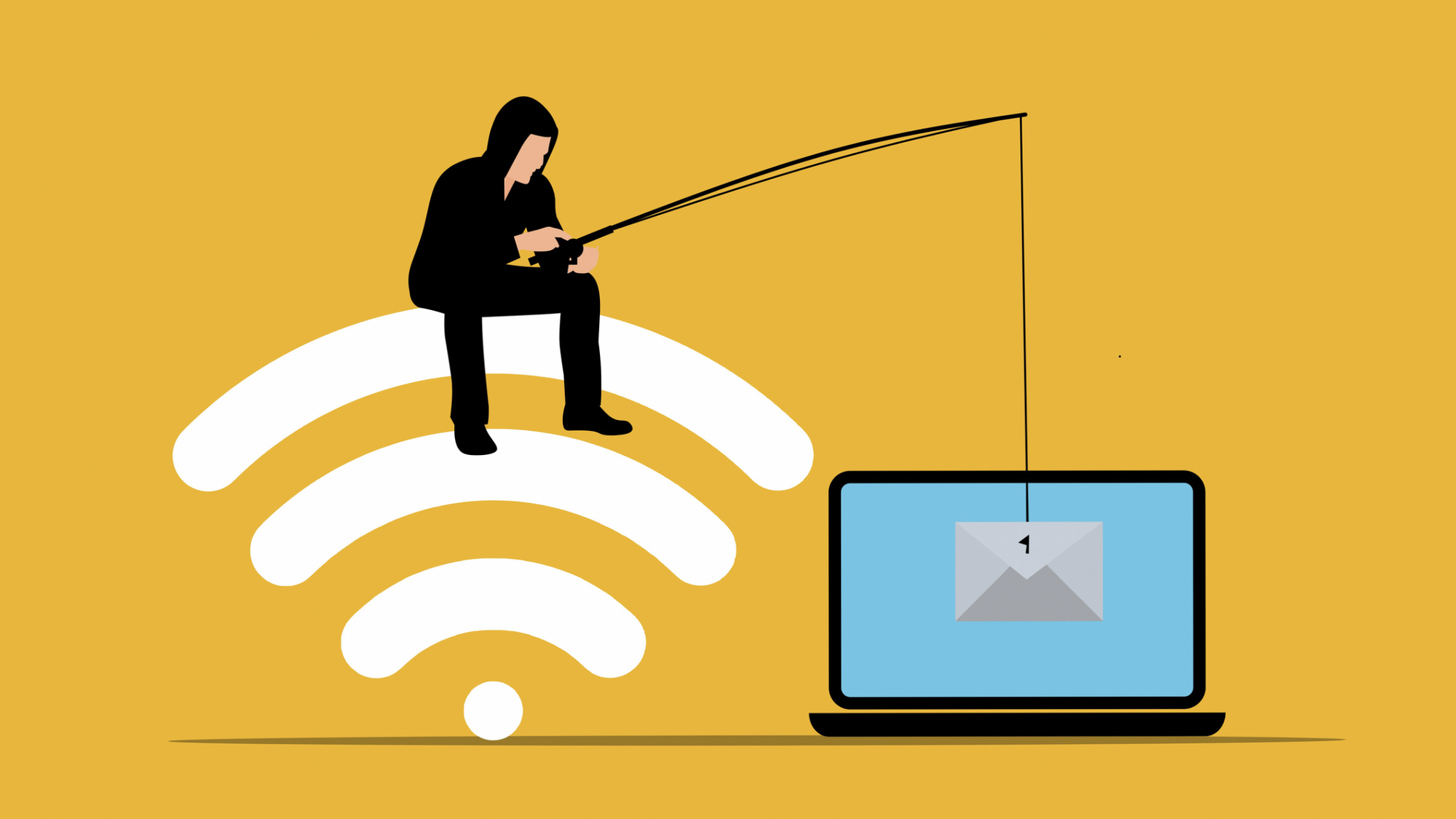
Writers — especially independent authors — are being hit by these every day, preying on their hopes and fears.
An email arrives unexpectedly from a book club / agent / marketing expert / editor / famous author. They pile on the flattery, telling you how wonderful your book is and how it’s a crying shame that it‘s not getting the attention it deserves.
But GOOD NEWS, they have exactly what‘s needed to make your publishing dreams come true. All they need is a reply.
And then, after maybe one or two more emails have flown back and forth, there’s the first mention of how much you need to pay them. They never ask you straight out. They want to hook you first.
AN OLD CON USING NEW TECH
It’s a scam that’s been around forever. Past versions have included agents who will represent you — for a price. Publishers who will put your book out — for a price. Marketeers who will get your book into thousands upon thousands of readers — for a price.
The trouble is that today AI has made customisation so easy. You read the email and think, they have to be real. They know my characters. My plot. They understand my story — when in fact it’s AI slop, a chatbot churning out the perfect snare over and over and over.
And it’s getting more sophisticated. Take the example above. Susanna is a real person. She works at Penguin Random House…. but not for Random House Worlds.
Of course there are SO many red flags in that email. Why would a Star Wars all-ages graphic novel be of interest to someone curating an adult historic fiction line? Why wouldn’t PRH be all over Star Wars: The High Republic, an initiative they’ve been a part of since the very beginning? Why is someone at PRH be using Gmail?
Obviously, I knew at once it was fake — and alerted Random House Worlds — but there are plenty of people out there who might not think and jump in with both feet, especially if it‘s a chance of making their dream a reality.
HOW TO SPOT A SCAM
If you’re an author and receive one of these messages, please stop and think before replying to anything. The old maxim of ‘if it looks too good to be true, it probably is’ comes into play here.
- Look for things that don’t add up.
- Verify everything. Never rely on contact details and links in the message. If someone appears to be a real person or a known publishing body, contact them directly through their website or official channel. They’ll soon tell you if it’s real or not.
- Be especially cautious about demands for urgent fees. They’re usually a sign that a scammer is trying to pressurise you into making a quick decision on the pretence that if you don’t act now — or pay up — you’ll miss out on a once-in-a-lifetime opportunity.
- Never, ever open attachments. They may contain malware.
I get so angry that these scams exist and that people will fall for them, so please be careful out there. Take a moment before acting and question everything.
Until next time, look after yourself and each other.

PS. For more on this worrying trend, I recommend this recent article from the Guardian and advice from the Society of Authors.